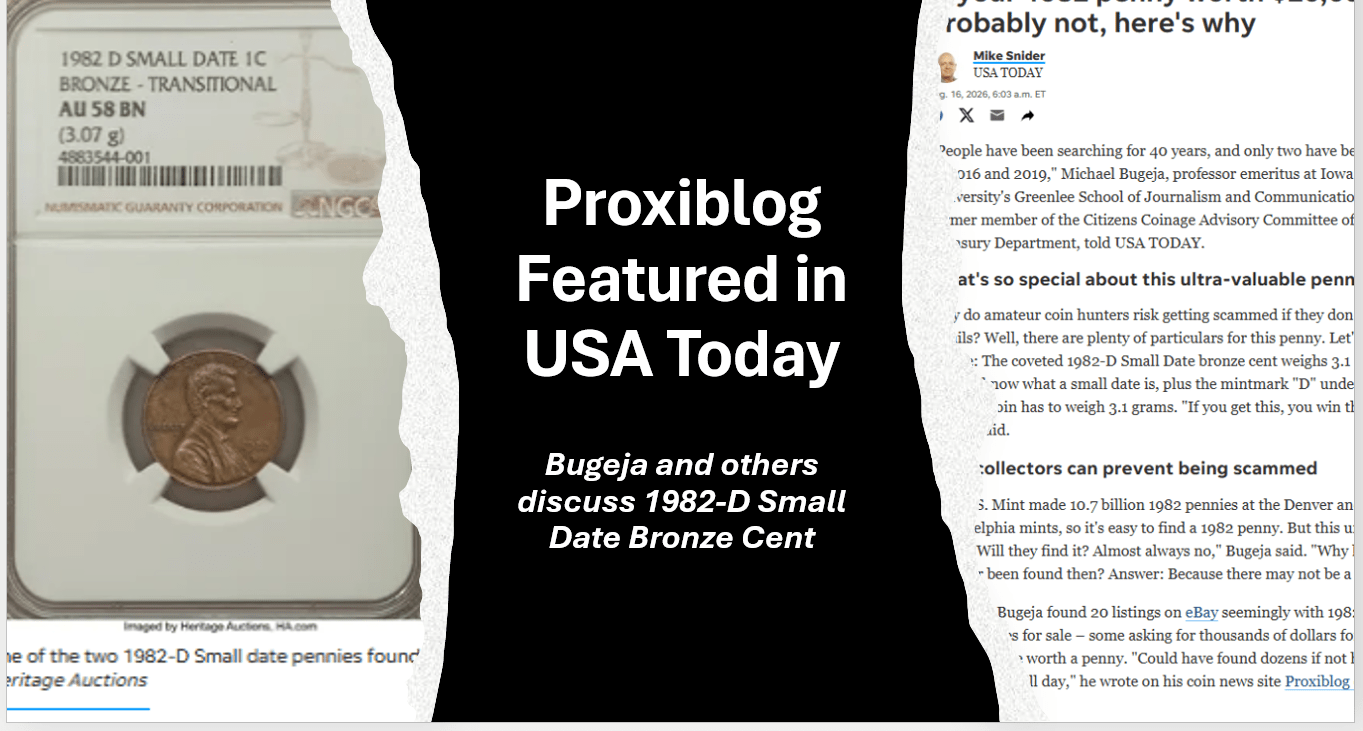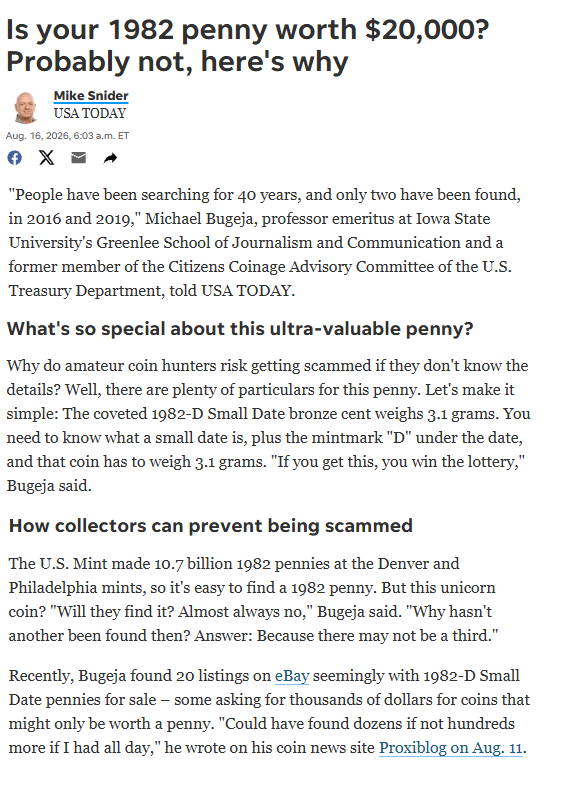
1982-D Small Date Cent Scam


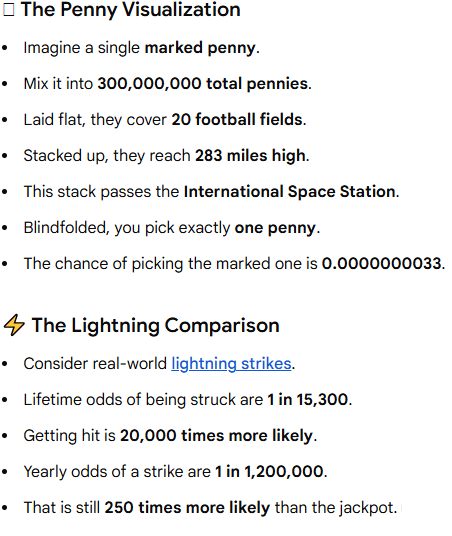
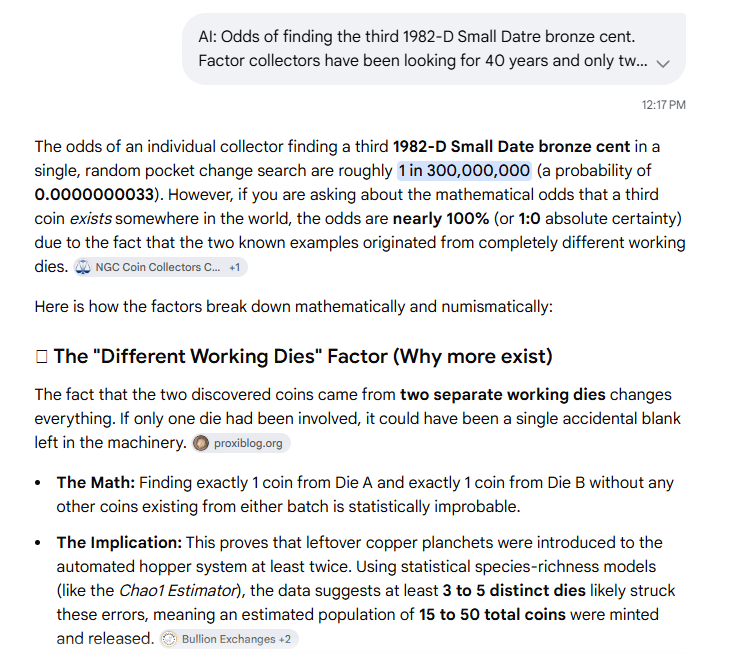
There are all manner of scams by people looking to cash in on collectors who do not know markers for ultra rarities. And when it comes to the 1982-D Small Date Bronze transitional error, there is a desperation by newbies educated by clickbait social media that the third example is out there in pocket change.

Sellers take advantage of such ignorance.

If you are interested in an article about the various types of 1982 cents, including all markers for the transitional error, click here.

But let’s cut to the chase with basic knowledge.

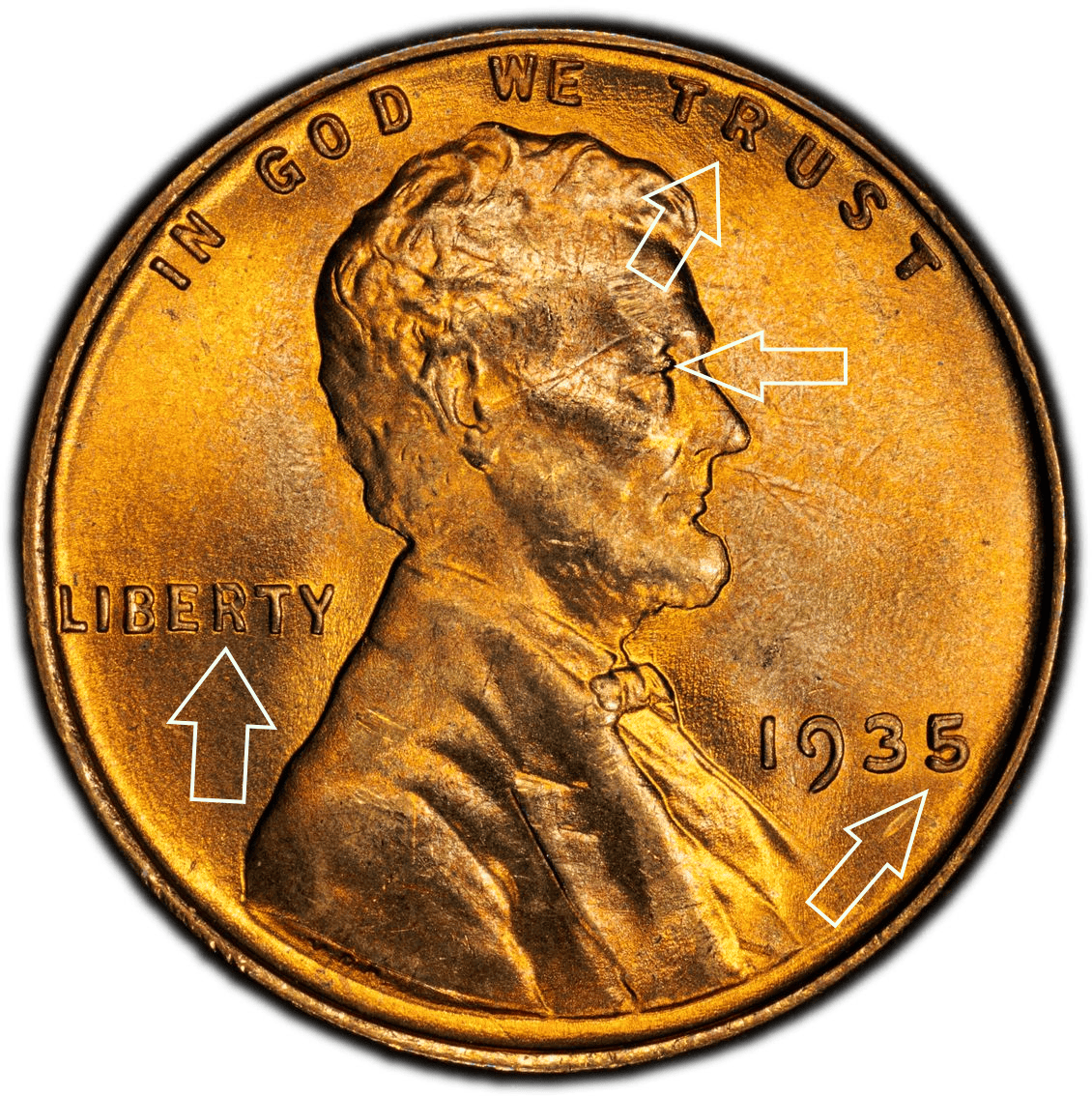
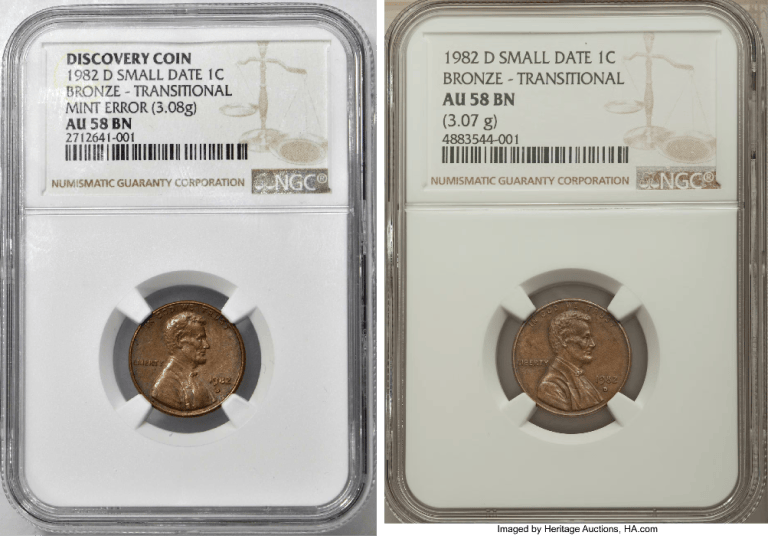
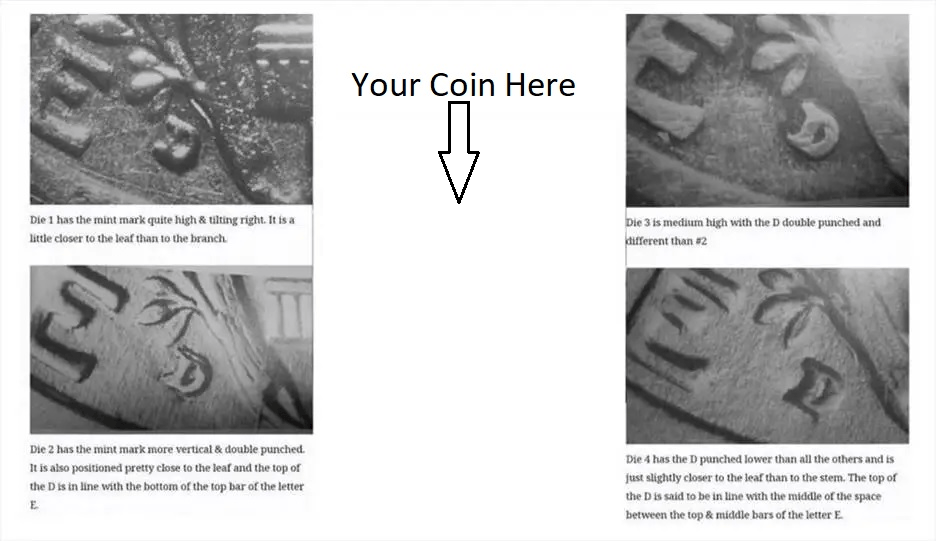
Only two 1982-D Small Date 3.1 grams have been found.


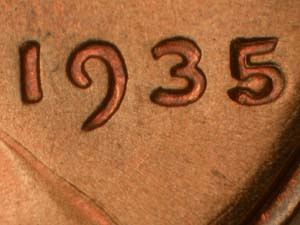
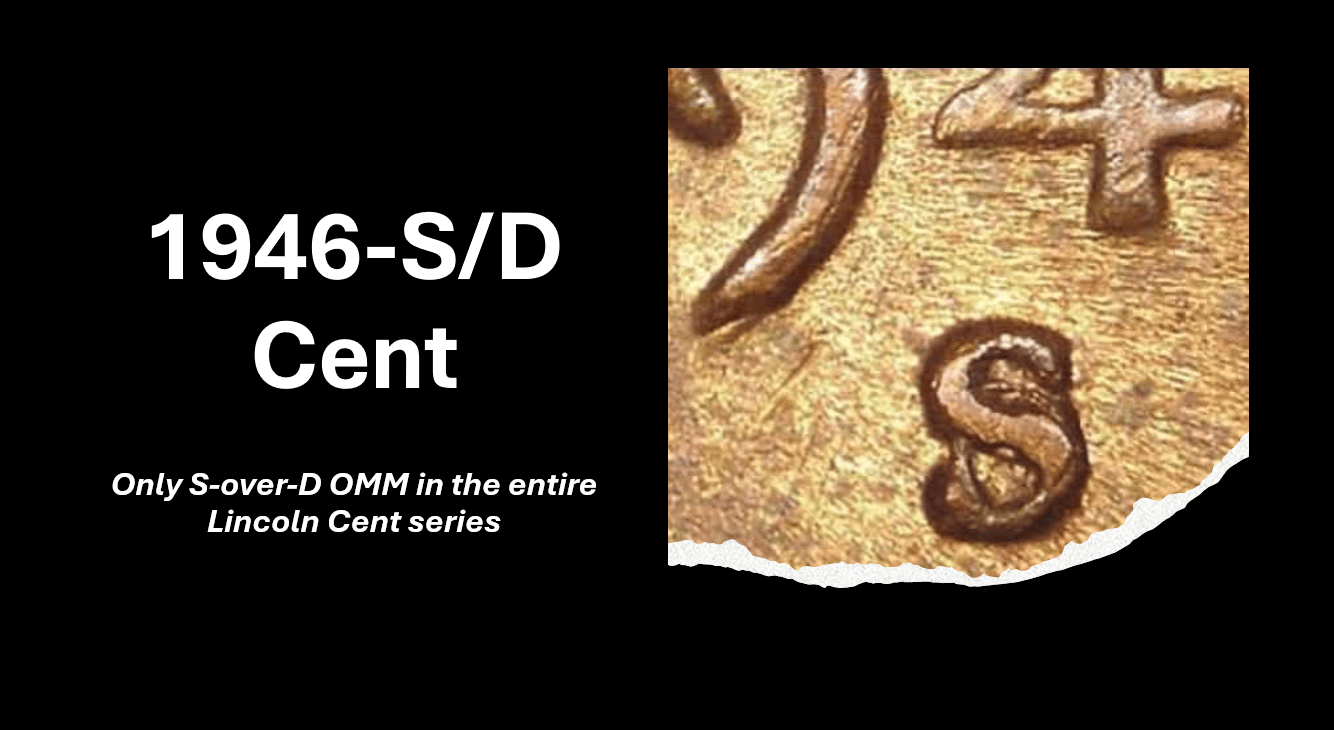
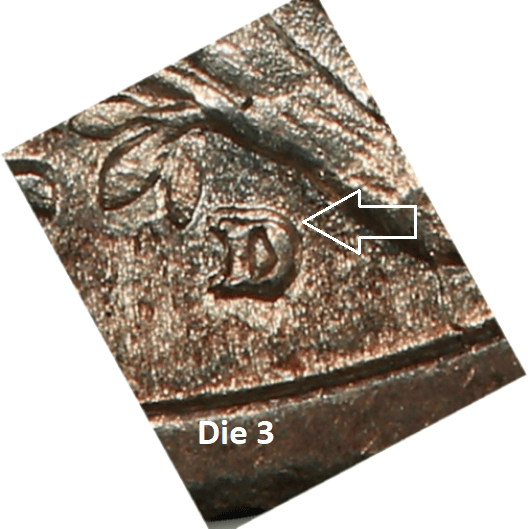
Here’s how they look close up.


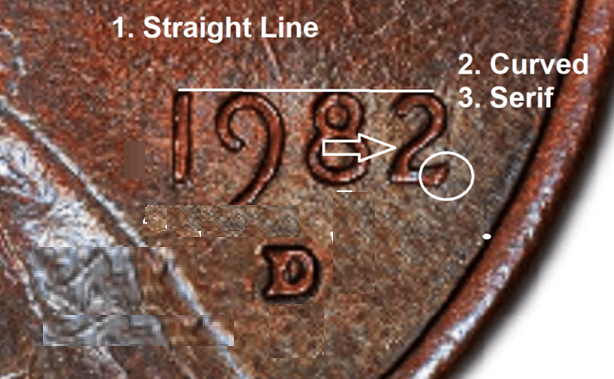
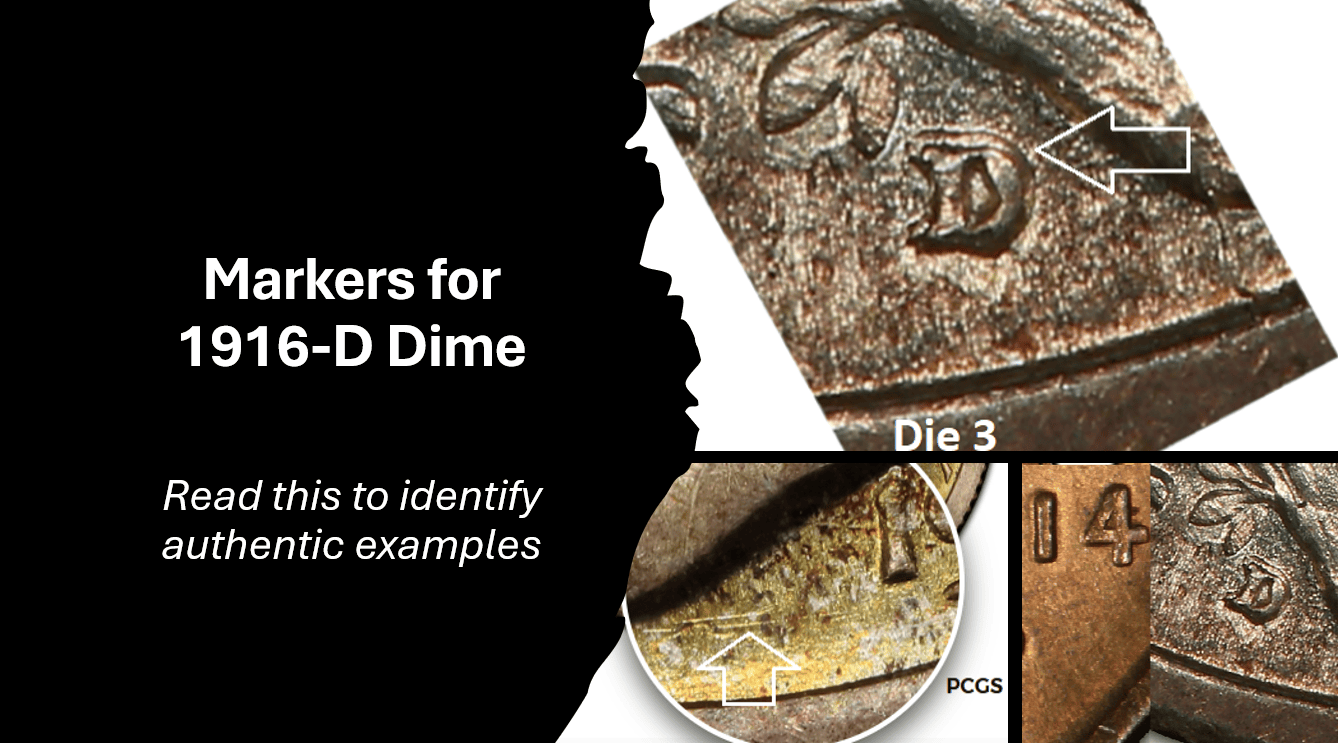
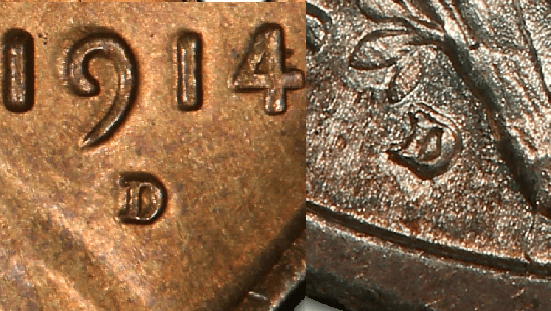
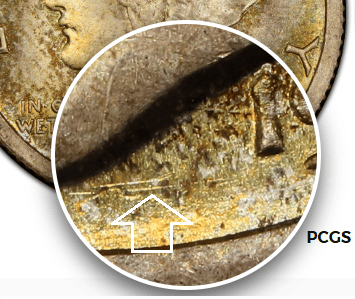
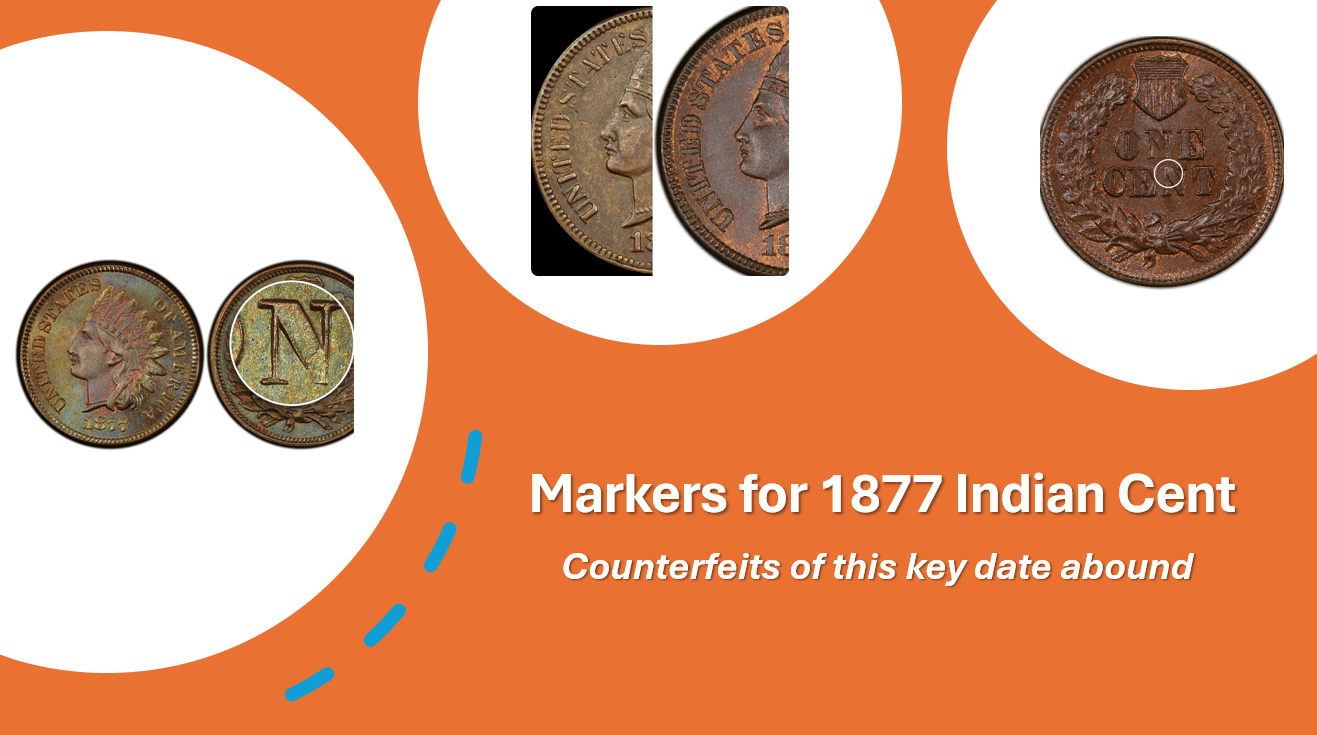
Here are markers for the small date.


DO NOT bid or buy any coin that is placed on a scale reading 3.1. You’ll be buying a zinc small date, of little or no value. Or a coin on tinkered scale.


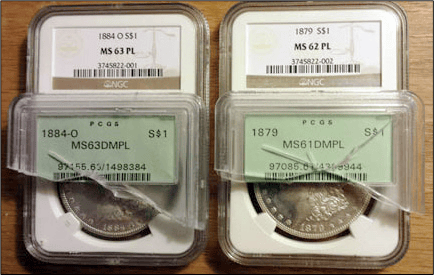
You will see several examples on eBay of sellers showing a regular 1982-D large date bronze cent in a PCGS holder. Sellers think if they claim a regular strike is the small date, you’ll believe it, only because it is holdered by PCGS and you don’t know the markers.

Here’s an example:


Here’s how to decipher.

There are two numbers below the condition. In this case below, 146021.58, means two things: 146021 goes to the CoinFacts designation and the 58, the condition, AU58. In the image below, you can see that the 146021 goes to the regular large date strike.


Here’s another example with the seller claiming this large date is a small date. Again, the 146021 gives it away.


The seller of the above coin did not take kindly to my message that this is a scam.


He doesn’t like his time being wasted. He just wants to waste your money.

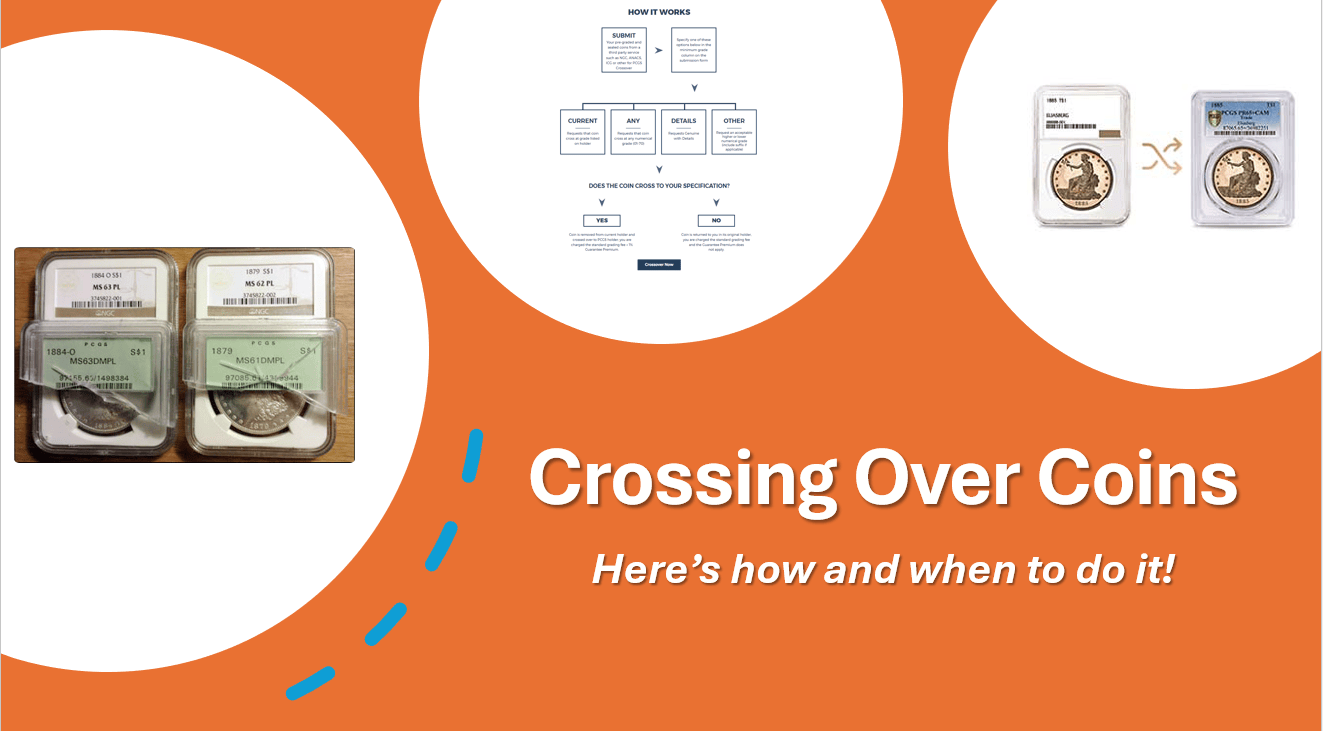
Ultra rarities are not found in pocket change; when one is, that becomes a national news story. If you think you found one, do not post it on social media and claim authenticity. If you are so sure, send it to PCGS, NGC, ANACS or CAC. And if you want to buy an ultra rarity, make sure you know how to read the holder company label.

If you like posts like this, subscribe so you can be informed whenever there is a new article or column.

Proxiblog also has thousands of followers on Facebook Coin Groups, YouTube and other social media. To get the latest discussion and commentary, be sure to friend us by clicking here.

You can find more information about types, varieties, errors, grading, bidding and buying in Coin News Updated: The Essential Guide to Online Bidding. Please consider buying or gifting the work for a friend, as it underwrites this hobbyist blog. Thank you.

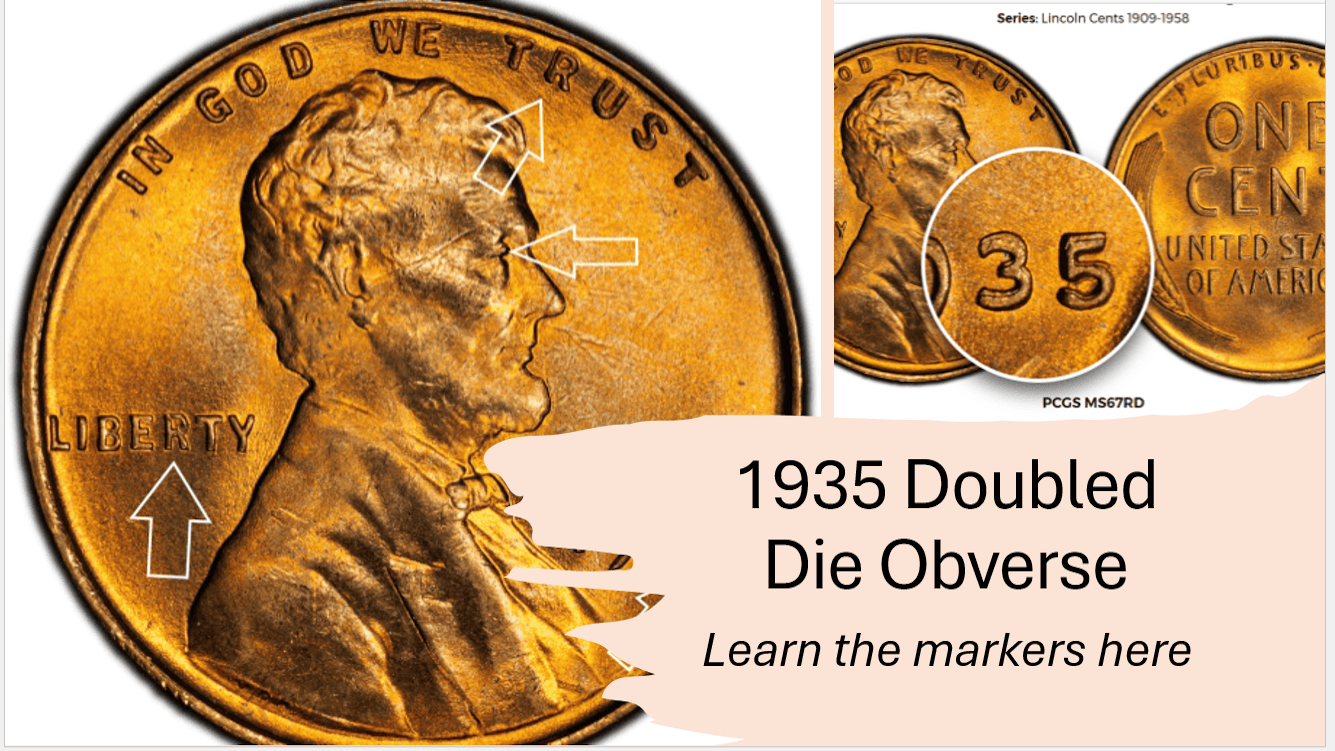
Special W-Mintmark Coins


Special issue coins typically are made for collectors and have their own designations, devices and mintmarks. Ones featured here are readily available. Some hobbyists collect all of them.

1996-W Roosevelt Dime


One of the most popular special issues is the 1996-W Roosevelt dime, marking the half-century of the design. This was the first base metal coin struck at the West Point mint.

The 1996-W Roosevelt dime is the lowest-mintage business-strike coin in the series (1,457,949). The next lowest was the 1955 dime (12,450,000).

Unlike other business strikes, the coin was not released into circulation. It was a bonus coin included in that year’s U.S. Mint Uncirculated Coin Sets.

It is the only business strike dime carry the W mint mark for West Point.

PCGS recounts the trouble that the Mint had in adding the W mintmark. For the occasion, engraver John Mercanti was asked to hand-punch the mintmark into the die directly. But the steel die was not properly prepared (heated) so the force of the punch made it mushroom. It could not be used. Another engraver had to create an entire new dime model, carving the mintmark directly into the master plaster. This is why the mintmark looks different than on ones used for other W mintmark issues.


If you want to buy or bid on this dime, make sure that it has full bands. PCGS estimates it has holdered some 6,700 dimes that are not full bands compared with 4,500 that have them.

An MS68FB retails for about $60; in MS69FB, about $260.

2019-W Lincoln Cent


The 2019-W cent was produced to celebrate the 110th anniversary of the Lincoln cent. PCGS lists three finishes for the dime, released as a bonus in these sets:

  • Proof finish: Included with the standard 2019 Proof Set.
  • Reverse Proof finish: Included with the 2019 Silver Proof Set.
  • Uncirculated finish: Included with the 2019 Uncirculated Mint Set.

As with all coins manufactured for collectors, the overwhelming number of coins will be uncirculated still and not worth much unless in extremely high grades. Examples of the business strike in MS69 are worth about $30 whereas an MS70 retails for about $350.

2020-W Jefferson Nickel


This was the first U.S. nickel to bear a “W” mintmark. The regular nickel came inside the 2020 Mint Proof Set. A 2020-W Jefferson Nickel in a Reverse Proof format came inside the 2020 Silver Proof Set.

The Mint planned to make a 2020-W nickel with an uncirculated finish to be included in the 2020 Uncirculated Coin Set. The COVID-19 illness limited production, however, and the issue was canceled.

The 2020-W Proof Nickel had a mintage of 464,039; the 2020-W Reverse Proof Nickel, 313,185. These typically retail online for $35 in PR69 and $80 in PR70.

2015-W March of Dimes

The 2015-W March of Dimes Proof Silver Dime and the 2015-P March of Dimes Reverse Proof Silver Dime also were special release issues. They were available only when collectors bought the 2015 March of Dimes Special Silver Set.

2015-W Proof Silver Dime was the first ever silver proof Roosevelt dime to carry the “W” mint mark and also the first non-dollar denomination coin to ever be produced with a reverse proof finish.

The set was limited to 75,000 units. As such, both silver dimes are some of the scarcest in the Roosevelt series.

Depending on the price of silver, the 3-Coin Set typically sells for about $200.

If you like posts like this, please subscribe so you can be informed whenever there is a new article or column.

Proxiblog also has thousands of followers on Facebook Coin Groups, YouTube and other venues. To get the latest discussion and commentary, be sure to friend us by clicking here.

You can find more information about errors and varieties as well as buying and bidding on coins in Coin News Updated: The Essential Guide to Online Bidding. Please consider purchasing the work for yourself or a friend, as it underwrites this hobbyist website. Thank you.

Bad Coin Rolls and Documented Bay Seller


Jack D. Young for Proxiblog

So I previously wrote a Coin Week article on attributing a counterfeit 1893-O Morgan Dollar and noted the high bad feedback eBay seller:

Counterfeit 1893-O Morgan Dollar: A Diagnostic Case Study

That same seller also sold 2 mixed rolls of small cents faced with an apparent 1857 Flying Eagle cent to a Face Book friend; it turned out the FE is a known counterfeit, and the new owner posted them and the link to my Coin Week article about them!


The OP noted the counterfeit “tells” for this style counterfeit on his example (circled in red) referencing the Coin Week article attributions.

Bottom image of the OP’s FB post on the subject

Image from the referenced Coin Week article showing other examples with the matching marks:


Counterfeit 1857 Flying Eagle Cents You Should Avoid | CoinWeek

While reviewing the article for images (I often go back to my own published article for reference while researcher subject “coins”!) I noticed the OP had posted a comment which I responded to.

So, purchased in 2023 and now aware as a result of the article! Ironically the article was published in 2023 as well…

Comments from the subject Coin Week article

2023 and the seller is still “at large” 😎! I immediately found another listing from him for a similar roll, documented his images and then worked to “win” the auction.

Recent identical eBay roll listing- I won!

So all I had to do was wait for this to be delivered. I was already planning how to document what it is once in-hand, taking images as I worked to uncover the detail I thought would match my friends, but that turned to be too easy a thought…

I was initially pretty confident I would see the “Bad T” in UNITED, but that documented attribution point wasn’t there!

Image from my microscope of my FE in the roll

OK, so what, did the seller actually slip a genuine example in the roll? My plan was failing so I just carefully unwrapped the whole roll and then imaged the contents:


And the FE? 1st thing of note is he is using repeated stock images; mine was positioned differently relative to the roll:

Listing image of the roll on the left, received on the right- date not apparent

And once removed from the roll I immediately recognized it after digging through my article:

Coin received is actually the 2nd counterfeit documented in the article, as noted:

Additional article images

So, now again confident he slipped a counterfeit into the roll I decided to send him a message. My previous attempts on the 1893-O Morgan failed because he doesn’t accept messages but apparently does when a current purchased item is linked.


Yeah, right. … But he did immediately refund my purchase price without involving eBay- a surprise for sure given all of his past responses to negative feedback given.


And he then listed another one, but I found I am now banned by him for any future listings.

Keeping it real, Jack.

If you like posts like this, please subscribe so you can be informed whenever there is a new article or column.

Proxiblog also has thousands of followers on Facebook Coin Groups, YouTube and social media. To get the latest discussion and commentaries, click here.

You can find more information about errors and varieties as well as buying and bidding on coins in Coin News Updated: The Essential Guide to Online Bidding. Please consider purchasing the work for yourself or a friend, as it underwrites this hobbyist website. Thank you.

Mint Goop Errors


The “dropped star” error–technical name, “Struck-Through Dropped Filling”–is easy to detect because a star-shaped device appears in the wrong place. The error, authenticated by PCGS, exists in a 2024-D Kennedy Half Dollar.

Some believe the PCGS example is a “one of one” find, meaning, there may be no other similar error in the series. Or there just be one or more in different places. Here’s why.

The dropped star happens when grease or metal shavings fill the device. The striking continues and eventually releases the plug (also called “mint goop”) so it is struck on a subsequent planchet.

Think of the process as clogging and compacting on one planchet, dislodging and then being struck on a new planchet.

In this Kennedy half case, the star was ejected and appears on his profile. That’s interesting! The star in question was on the reverse and the plug stamped the star on the obverse of another planchet!

Here is a close-up photographed by Jeffrey Flynt who wrote about the find for PCGS.


Flynt has an optimistic outlook for error finders. He writes, “My journey from a routine coin roll hunt to a PCGS-certified ‘Dropped Star Obverse’ discovery coin has been an incredible experience. It highlights that even in the age of modern coinage, exciting and significant finds are still possible if you look closely.”

Keep in mind that the dropped star can also be a dropped number or letter as happened on other coins. For instance, a 2007-D Idaho quarter had an extra incuse “R” between the “R” and “T” in “LIBERTY.” Ken Potter, one of our top numismatists, wrote about this for Numismatic News.

He states, “Up until a few years ago the Dropped Letter error type was rarely encountered but with the Mint’s schedule for striking coins tighter than ever, it appears that routine die cleaning rarely occurs anymore.”

Here’s an example of a 1960-D dropped letter authenticated by PCGS:


NGC also has documented dropped letters and numbers.

Here’s a dropped “D” on a 1976-D Bicentennial Quarter.


Error and variety hunters have patience. They may look for anomalies on thousands of coins before finding an dropped device, number or letter. Unfortunately, there are fake added mintmarks and devices just as there are counterfeit and replica examples. Also, there is PAREIDOLIA, the tendency to perceive images in visual patterns, often leading to misidentification of coin errors.

For instance, “Daniel from CoinHELPu” questions whether PCGS made a mistake labeling this a dropped star. He believes the mark just may look like a star.


Proxiblog will keep monitoring this error, publishing new authenticated finds.

If you like posts like this, please subscribe so you can get our weekly newsletter and be informed whenever there is a new article or column.

Proxiblog also has thousands of followers on Facebook Coin Groups, YouTube and social media. To get the latest discussion and commentaries, click here.

You can find more information about errors and varieties as well as buying and bidding on coins in Coin News Updated: The Essential Guide to Online Bidding. Please consider purchasing the work for yourself or a friend, as it underwrites this hobbyist website. Thank you.

Common Mercury Dime Counterfeits


Key date coins are commonly counterfeited and should be viewed with scrutiny. This subject example of a 1916-D Mercury Dime surfaced and what many would call a “one glance” counterfeit.


The mintmark punch for the 1916-D is easily recognizable, along with 4 mintmark positions for genuine coins. This clearly isn’t a genuine mintmark and as one can tell by the surface quality the coin itself is a counterfeit.


This is one seen routinely through various Facebook groups, you would be hard pressed not to see one of these shared weekly. It isn’t just the key dates targeted (although that is the primary targets). Image comparison of a 1916-D, 1921-D, and 1939-D pictured below. A common reverse with a “bad” mintmark and small surface lump to the right of E.


Common markers in Red:

  • Surface lump to the right of E of ONE
  • Deformed mintmark shape and placement

Markers In Green indicate features not present on all examples. In this case two cracks running though U in “UNITED” and the A in “STATES”.


If you would like to know more about 1916-D markers, click here.

If you like posts like this, please go to our counterfeit archive with reports from Jack Riley, Jack D. Young, John Lorenzo and Michael Bugeja. Also, please subscribe so you be informed whenever there is a new article or column.

Proxiblog also has thousands of followers on Facebook Coin Groups, YouTube and social media. To get the latest discussion and commentary, be sure to friend us by clicking here.

You can find more information about errors and varieties as well as buying and bidding on coins in Coin News Updated: The Essential Guide to Online Bidding. Please consider purchasing the work for yourself or a friend, as it underwrites this hobbyist website. Thank you.

Double Denomination/Struck Coin


Double denomination coins are genuine errors struck on a previously struck planchet of a different denomination (e.g., a cent on a dime). Double struck coins are struck twice with the same dies, often overlapping. 

Let’s investigate these genuine error coins and distinguish them from post mint damage (vise and glue coins).

Double Denomination


A double denomination error happens when a previously struck coin, often a smaller denomination like a dime, is fed into a press for a larger denomination like a cent. Because there are two denominations, struck over each other, the error is known by this name. Typically, this happens when struck coin bounces or falls into the wrong hopper or is jammed in the machine, coming loose during striking of another coin.

Technically, this is a machine error. But unlike machine doubling, double denomination coins are rare and highly sought after. The strike also usually ends up misaligned on the planchet.

The most frequent holdered examples include the so-called “11-cent coin”–a cent on a dime. Often a Roosevelt dime is struck with a Lincoln cent. One way to tell is identifying the reeded edge from the dime. Replicas and fakes often do not include this identifying aspect.

Other denominations include a 15c Coin, or Jefferson Nickel on a Cent; 35c Coin, or Quarter on a Dime; and a $1.05 Coin Sacagawea Dollar on a Nickel.

Also, the dates of these double struck coins do not have to match. Two different dates usually occur with machine-jammed coins that come loose during striking of another, as in this example:


Double Struck


This error happens when a struck coin did not eject from the coining chamber and gets struck again, or several times. The result is an overlapping and distorted design with one strike flattening the other. Some double-struck coins have a date; others, as in the above example, do not.

There are different types of double struck coins. The most common is a coin struck correctly that doesn’t eject with the second strike off center. Another type happens with a second image struck over the first. Less common are multiple strikes,

You can see the various examples on the PCGS website. Here’s a double struck off center cent from that site:


The most common double strikes include Lincoln Cents (1959-2008) and clad Jefferson Nickels, Roosevelt Dimes and Modern Washington Quarters.

Vise and Glue Coins

A “vise job” is evidence of post mint damage. It is not an error. Someone squeezed one coin atop another using a vise, hammer or pliers so that it resembles a double struck or denomination coin.

You can spot a vise job when letters or the date appeal backward or the design is sunken into one rather than raised as would be a genuine error.

Note the backward spelling of “America” on this coin:


You can also do similarly with glue. These often appear like double strikes with a ghost image seemingly stuck to a regular strike. Upon inspection, you should see a foreign raised substance. A person uses glue to get an imprint of one coin and then layers it on another. If the raised area looks shiny, you probably have a glue coin.

As the glue dries, however, it may turn darker rather than transparent, looking like metal as below:


If in the market to purchase a double denomination or double struck coin, and are unsure how to identify replicas and forgeries, make sure that it is in a reputable holder. Keep in mind that China has been exporting these fakes. Here’s some examples from Etsy, all selling for under $30.


If you are interested in the various coin conditions like double denomination and double struck, be sure to visit our illustrated coin glossary, the largest on the web, with close to 300 entries.

If you like posts like this, subscribe so you can be informed whenever there is a new article or column.

Proxiblog also has thousands of followers on Facebook Coin Groups, YouTube and other social media. To get the latest discussion and commentary, be sure to friend us by clicking here.

You can find more information about types, varieties, errors, grading, bidding and buying in Coin News Updated: The Essential Guide to Online Bidding. Please consider buying or gifting the work for a friend, as it underwrites this hobbyist blog. Thank you.
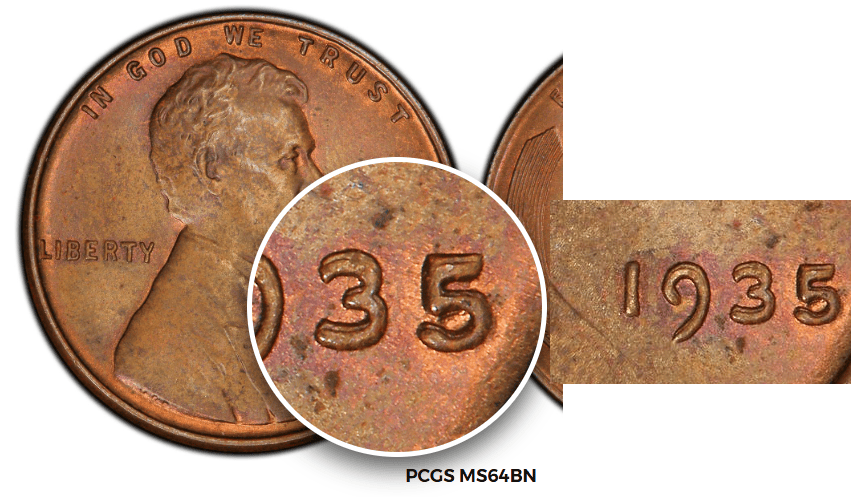
QUICK TAKE: Remove and Block Hijackers


Have you noticed that people, often from different countries, hijack Facebook coin group posts and show their own coins rather than commenting or answering questions? Here’s an example:


The above hijackers were responding to this post:


To many, this is just a nuisance. But it also can be hazardous as many such posters have malicious intentions including scamming you, phishing your email or Facebook site, and worse–algorithmic manipulation.

Let’s define that: Algorithmic manipulation is the intentional use of computer data to exploit your vulnerabilities or pull information from and about you, often via a bot or program to scrape data.

They also might appear on a FB post that solicits lots of comments–like the post above about the 1982-D Small Date Cent.

These scammers might have stolen or fake accounts. They hijack posts and show coins that they do not own, trying to get you to engage them about buying. Or they just might want your personal data for some other spurious reason.

Some cannot get a legitimate FB account and so use “likes” or engagement as a ruse to operate without being blocked.

If you are the target of a scammer, file a report with the group moderator. Many people do not know how to do this. Here’s a video about this with easy instructions:

You can also use Facebook’s contact form to report impostor.

If you like posts like this, please subscribe so you can get our weekly newsletter and be informed whenever there is a new article or column.

Proxiblog also has thousands of followers on Facebook Coin Groups, YouTube and social media. To get the latest discussion and commentaries, click here.

You can find more information about errors and varieties as well as buying and bidding on coins in Coin News Updated: The Essential Guide to Online Bidding. Please consider purchasing the work for yourself or a friend, as it underwrites this hobbyist website. Thank you.

eBay Seller’s comments to “Your Baby’s Ugly”


By Jack D. Young

Proxiblog asked me to consider doing an article on “how eBay sellers react when we report their coins as fake? I know some take down the lots. Others don’t.” I was intrigued by the thought and decided to write the following!

When I explain a Bay listing is counterfeit sellers can react a number of ways–in disbelieve, argumentatively (Grandpa owned it), accepting and thankful, combative (I’ll meet you in a parking lot dude…) or just “crickets.”. In my experience the larger the seller the higher the probability of crickets.

So, moving on I will not lower our standards here and report the combative ones but several of recent experiences I have had of the other types of reactions.

Let’s start with an interesting Trade dollar. This example just caught my eye, and the images led me to believe the coin was not genuine. The images in the listing were not definitive, and I asked the seller for better ones. He agreed and that was all it took! The common reverse used for a family of fakes I nicknamed the “notched R.” I wrote an article on these published in a recent LSCC Gobrecht Journal. I actually own one returned to a seller by NGC as counterfeit, so well versed on these:

eBay recent listing

So, I asked the seller about the coin and that I had concerns about its authenticity. He responded that he looked up the cert and the “PCGS verification”.

I responded there were no images on the on-line cert, so no help there. I included images from my coin and article and that I was sure it was counterfeit.

And he responded with a thank you and that he would remove the listing immediately, which he did!


So, a win, except who knows were the coin ends up, as he responded he is taking it back to the previous seller… And then another listing and another message:


Seller actually had two bad Morgans in fake PCGS slabs listed:


As he stated in his message, he ended both!

So, two with likely the best results we could hope for. And then this one:


Another counterfeit coin in a counterfeit slab, this one gets a little complicated if you really evaluate this one properly.

First, the obverse barcode scans as a 1989 $10 gold eagle. Then, the images of the genuine example for the cert# on the PCGS site are a completely different coin. And third, the interesting twist for this one is fakes of this type typically have a reverse QR code that scans to the genuine PCGS cert site in CHINA (cnpcgs), BUT this one scans to pcgseurope! A separate article on this one in the works.


So, I notified the owner, but he is in denial, and his response and then silence:


Silent until this😎:


So, good luck to all eBayer’s with that one!

And now the crickets; my friend Jack Riley posted the next example in our Face Book group:


Pretty bad counterfeit in a counterfeit slab again, the surprise was it is a large well respected Bay coin seller. Several of us sent messages to the seller with no response, so I took a risk and purchased it with the intention of asking for a return for it being a counterfeit.

Refund granted, never heard from the seller…


And eBay removed the listing:


Shortly thereafter my eBay account was permanently suspended.

If you like posts like this, you can read more articles on counterfeit coins by Jack D. Young, Jack Riley and Michael Bugeja at this URL. Also, please subscribe so you can be informed whenever there is a new article or column.

Proxiblog also has thousands of followers on Facebook Coin Groups, YouTube and other venues. To get the latest discussion and commentary, be sure to friend us by clicking here.

You can find more information about errors and varieties as well as buying and bidding on coins in Coin News Updated: The Essential Guide to Online Bidding. Please consider purchasing the work for yourself or a friend, as it underwrites this hobbyist website. Thank you.
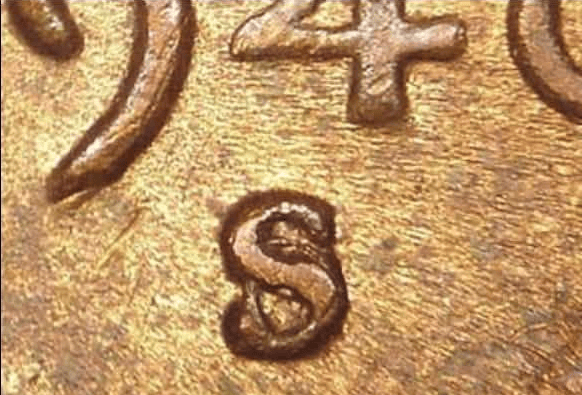
Fake Eisenhower Dollars


By Jack Riley

As most collectors know, Chinese counterfeits have flooded the market. Often many buyers are “burned” on key date and semi key date coins of many series. We have stressed that nothing is safe and that includes Eisenhower Dollars! These are readily available at banks for face value and yet here we have counterfeits.

Diving straight into repeating markers of these two “coins,” a 1971-P and 1977-P show commonalities between the two. Both share matching obverses and reverses indicated in Red.


Obverse markers:

  • Diagonal depression of L
  • Depression in front of the eye

Reverse markers:

  • Raised lump below A1
  • Indent below OF
  • Line through C

China produces counterfeits of common coins like the Eisenhower dollar if a small profit can be made. These scammers may not be expert numismatists; but they are professional marketers who know about profit margins. Their profits expand with bulk production, flooding eBay and Facebook with fakes. China knows the coin collectors will just assume that low-value common coins like Ike dollars are genuine.

They are polluting the hobby.

If you suspect that one of your coins might be fake, see “Detecting Counterfeits” for methods.

If you like posts like this, you can read more articles on counterfeit coins by Jack D. Young, Jack Riley and Michael Bugeja at this URL. Also, please subscribe so you can get our weekly newsletter and be informed whenever there is a new article or column.

Proxiblog also has thousands of followers on Facebook Coin Groups, YouTube and other venues. To get the latest discussion and commentary, be sure to friend us by clicking here.

You can find more information about errors and varieties as well as buying and bidding on coins in Coin News Updated: The Essential Guide to Online Bidding. Please consider purchasing the work for yourself or a friend, as it underwrites this hobbyist website. Thank you.

VIDEO: 3 Types of Doubling

If you want a quick refresher of the major types of doubling–hub, machine and die deterioration–view this video. It will help you identify those types with audio explanations by Michael Bugeja.
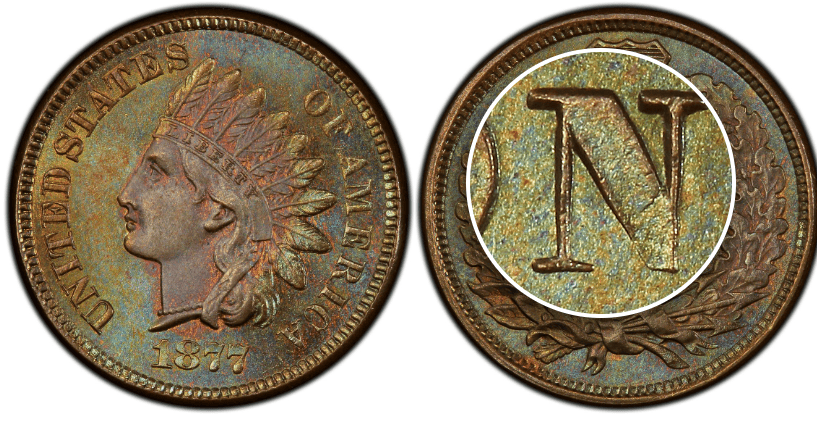

Click here for an article on the 5 types of doubling.

Also, Proxiblog has assembled some 50 videos on this site and YouTube. Click the photo below to see them.


If you like posts like this, subscribe so you can be informed whenever there is a new article or column.

Proxiblog also has thousands of followers on Facebook Coin Groups, YouTube and other social media. To get the latest discussion and commentary, be sure to friend us by clicking here.

You can find more information about types, varieties, errors, grading, bidding and buying in Coin News Updated: The Essential Guide to Online Bidding. Please consider buying or gifting the work for a friend, as it underwrites this hobbyist blog. Thank you.