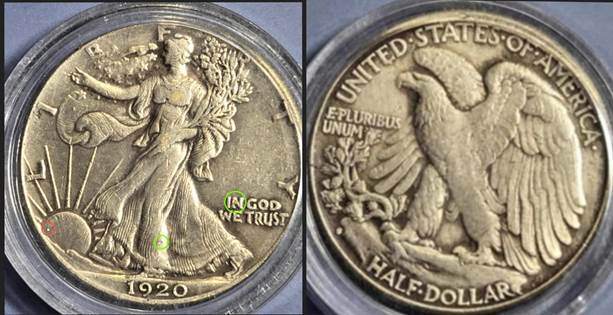
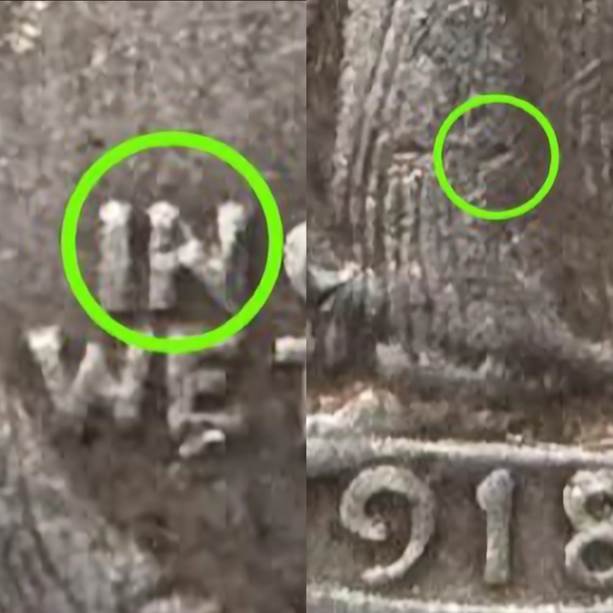
PCGS, NGC, ANACS, CAC, ICGS have certification web sites. You’ll gain knowledge about everything from counterfeit detection to retail, wholesale and auction values.

New collectors and others who have inherited coins typically ask Facebook coin group members what their holdered coins are worth. There is no need to do this. In fact, the question alone indicates that you do not know what you have, opening you up to low-ball offers and scam buyers.
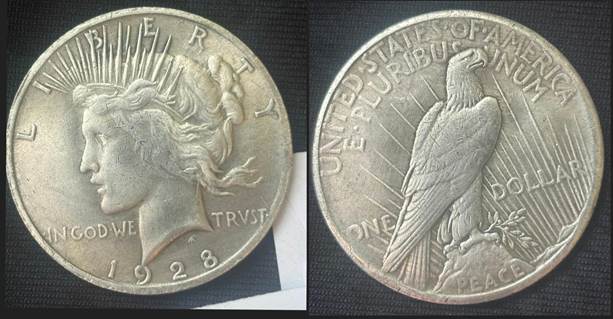
This Facebook member posts photos of PCGS-graded coins and wonders what they are worth.

All he had to do was go to the PCGS certification site for the information. Just input the numbers and you get all the facts.


Did you catch what happened here? If so, you are beginning to understand why checking certs of ANY slabbed coin is worthwhile.
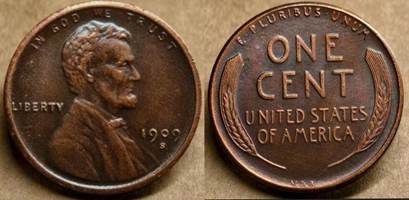
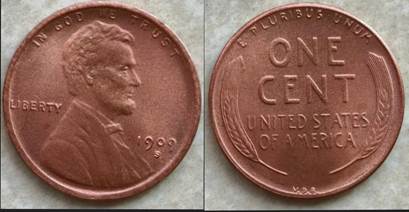
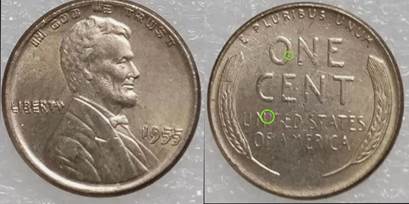
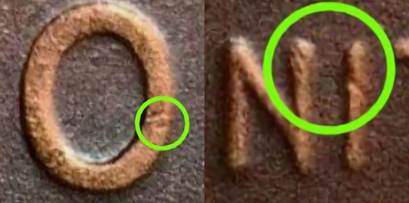
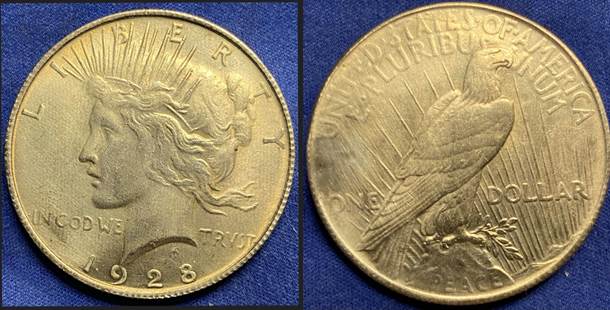
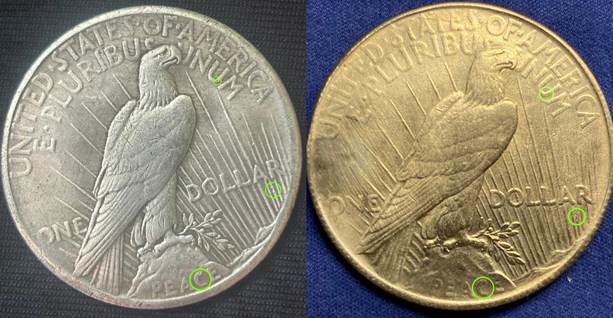
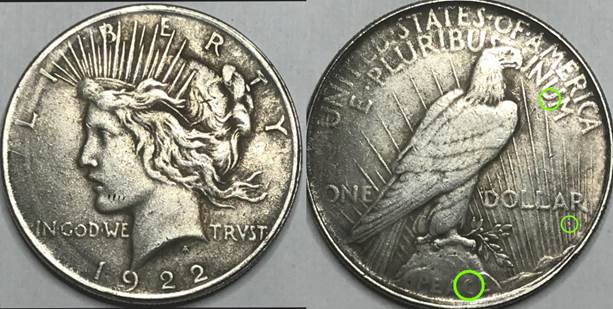
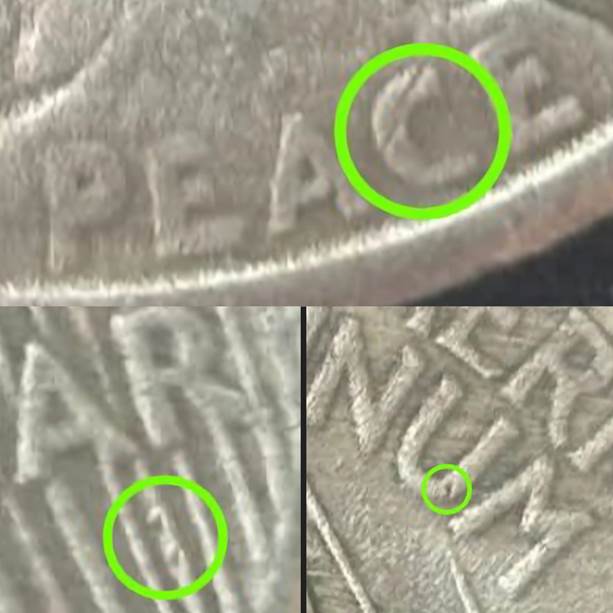
His coin is counterfeit. The label is the giveaway: “Morgan.” The Chinese forgot that the only time PCGS states the dollar is a Morgan is on labels for 1921 coins because the Peace Dollar was introduced in that year!

The person’s coins are counterfeit.
Here is another person asking about worth for this NGC coin:

You can go to the NGC certification site and check this one.

NGC is not nearly as reliable with updating current value as PCGS. Note that this cert states “Price Guide Not Available.” NGC has been negligent with this for years, one of the reasons I prefer PCGS and CoinFacts. But you can still check the retail price by hitting the “Research this coin” tab.

Here are lookup sites for ANACS, CAC and ICG. Follow the same procedure.
If you want an estimate about what a coin dealer might pay you, you can access that information on the Greysheet wholesale website, requiring a subscription.
A better option to ascertain what a dealer might pay you, once again, is PCGS CoinFacts, an indispensable directory.
Let’s look up the retail and latest auction values (better than wholesale values because these states what people will pay) for that 1880-S MS64 Morgan mentioned earlier.

You get all the data for this coin, including mintages, which also play a role in value. But lower on the page you get population date and more specific details.

Better still, you can click the link for each auction. The first link, most recent sale 08/25, states someone paid a retail price in a Stacks Bowers auction. Why? Hit the link, and you get this superb coin, again with tons of data.

The ability to know retail and wholesale/auction values is a mandatory skill if you collect coins. Many just opt to go to a coin dealer who probably will use Greysheet wholesale and then deduct even more, especially if he owns a brick-and-mortar shop (he has to pay expenses, don’t you know).
Here is a typical advertisement promising to appraise coins and showing ones whose values are readily available online.

Wouldn’t it make sense, if this were your collection, to know what the retail and wholesale/auction values are before allowing someone else to tell you?
As you can see, checking certs guards against fakes and informs you in detail about your coin. Over time, you will learn not only the values but also all those data, helping you become the numismatist you were meant to be!
If you like posts like this, subscribe so you can be informed whenever there is a new article or column.
Proxiblog also has thousands of followers on Facebook Coin Groups, YouTube and social media. For the latest discussion and commentary, be sure to friend us by clicking here.
You can find more information about types, varieties, errors, grading, bidding and buying in Coin News Updated: The Essential Guide to Online Bidding. Please consider buying or gifting the work for a friend, as it underwrites this hobbyist blog. Thank you.