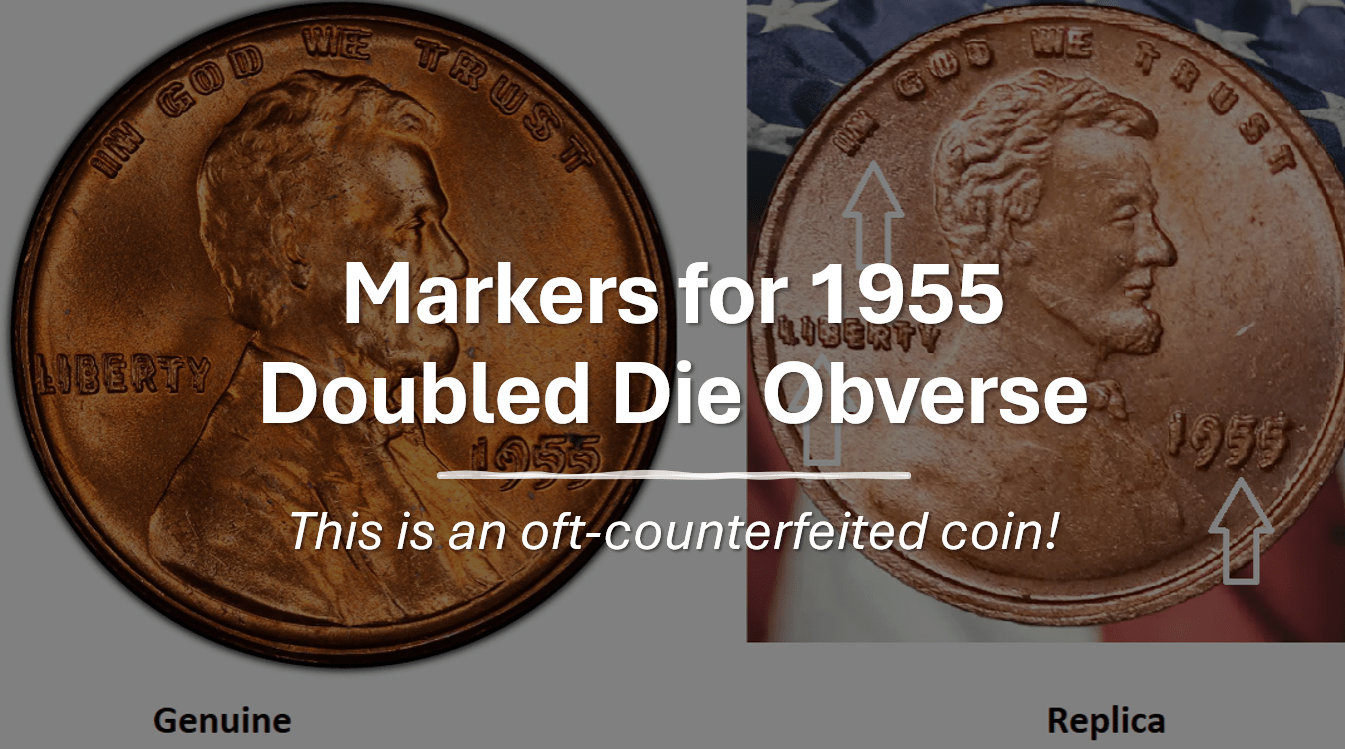
This spectacular coin is the most famous mint variety, and as a consequence, also is one of the most counterfeited of U.S. coins. This article covers how it happened and then illustrates how you can tell if your coin is genuine.
To begin with, the 1955 DDO is dramatic! So much is doubled on the obverse. See:
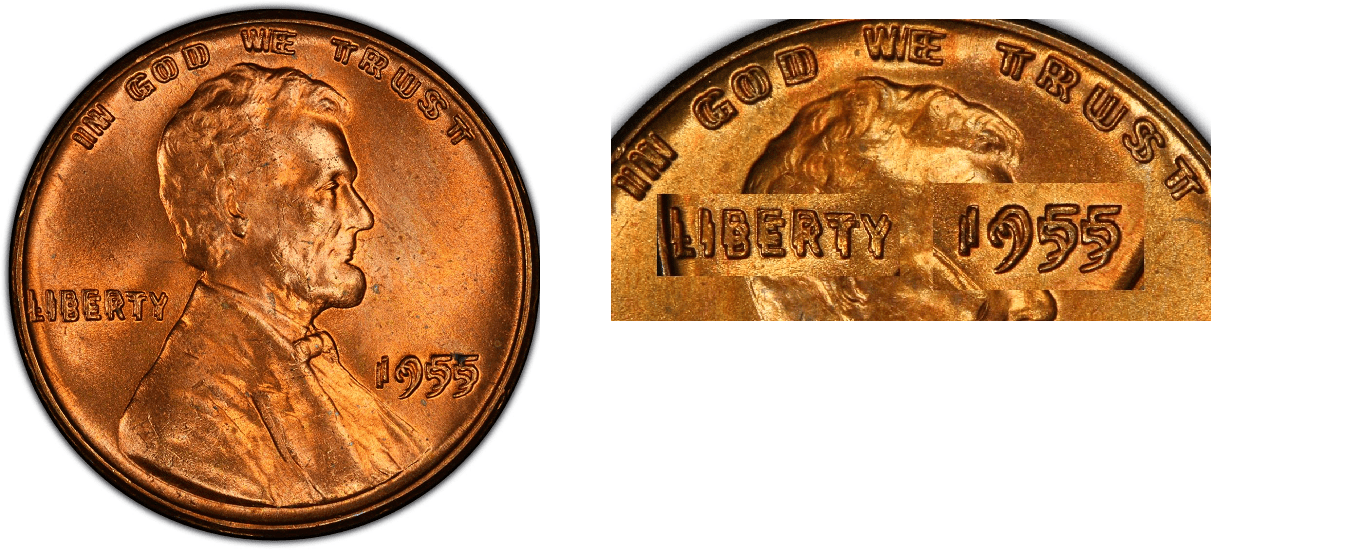
The 1955 doubled die is a die variety. Even though employees at the mint made an error and did not stop production, this is a variety. The planchet was only struck once by the coining press, but the die used to strike it already had a doubled image.
In this case, during production, the hub and the die were misaligned and rotated slightly counter-clockwise, accounting for the large spread of lettering and numbers.
Coinage operators, under pressure to produce 1955 cents, failed to notice the mistake, allowing this defective die to be used in striking. Estimates are 24,000 to 40,000 coins were released being discovered.
That was the first error. The second had to do with mint officials releasing the doubled die into circulation to avoid a regional coin shortage.
Because this coin is considered an ultra rarity, it is one of the most counterfeited and replicated U.S. coins.
In genuine coins, the doubling has a large spread and is sharp, as if carved by a knife. Be wary of soft doubling and pay attention to the exact separation.
Here’s the difference between a genuine and replica, as offered by Etsy and Temu.
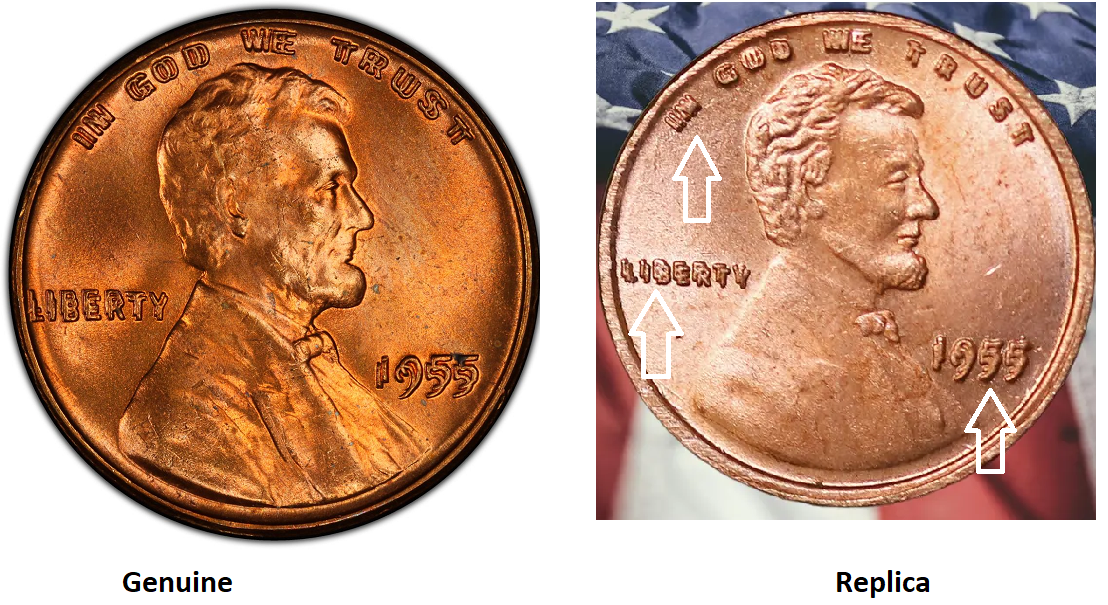
Note the mushy quality of the replica as well as difference in font sizes and orientation of “Liberty” and “In God We Trust.”
One more marker: In genuine coins, the portrait of Lincoln is sharp with no doubling or distortion. The above replica fails in this regard.
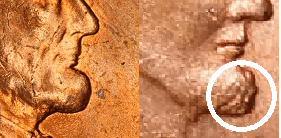
Any deviation or doubling on the portrait is a fake.
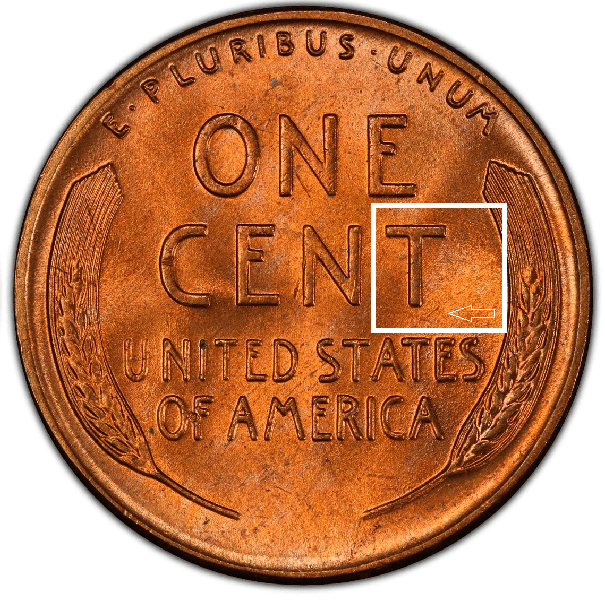
Only one pair of dies was used to strike the original batch, so every genuine 1955 DDO has the exact same reverse markings.
Someone claimed to have found this coin in Coinstar. Here’s how I identified it as fake:
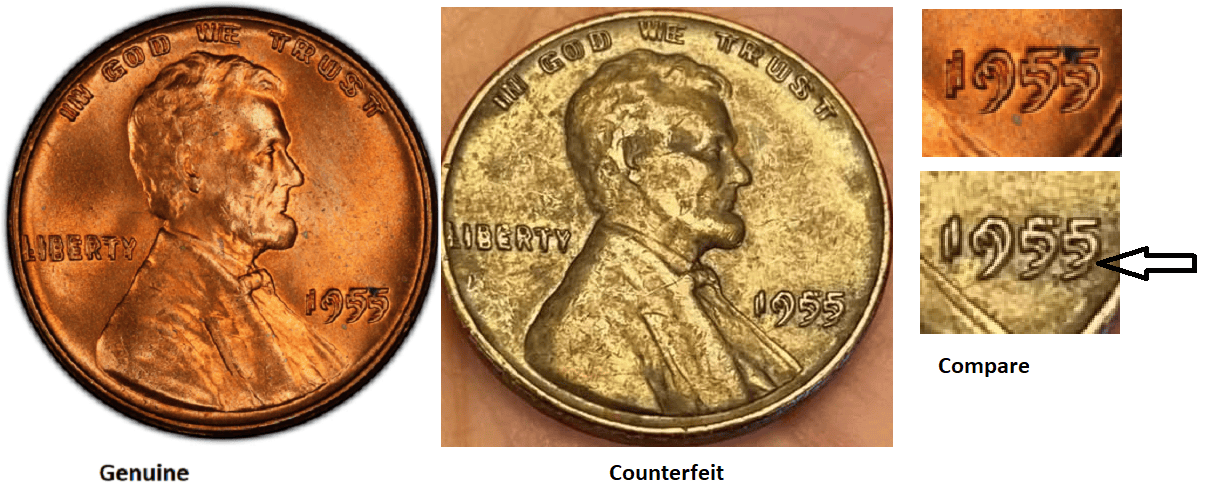
The spread on the “55” is wrong. Hence, a fake.
One other marker. You would need a microscope to see this, but tiny vertical and polishing lines are present on the reverse in this area, along with die scratches.
Also take care to understand the difference between machine doubling and hub doubling.
| Feature | Genuine 1955 DDO | Machine Doubling (“Poor Man’s”) |
|---|---|---|
| Cause | Error is engraved directly onto the die. | The die slipped or vibrated while striking the coin. |
| Appearance | Both sets of details are raised, rounded, and fully formed. | The second image looks like a flat, shaved-down “shelf”. |
| Scale | Extends across the date and all letters. | Usually only visible on the last digit of the date. |
| Value | Worth thousands of dollars. | Worthless face value (under $2). |
Also on the reverse, a genuine 1955 Doubled Die should have a 5% slight misalignment on the die. You would need to identify that yourself.
Please do not be fooled by 1955 DDO errors as in this dramatically misaligned copy from Etsy.
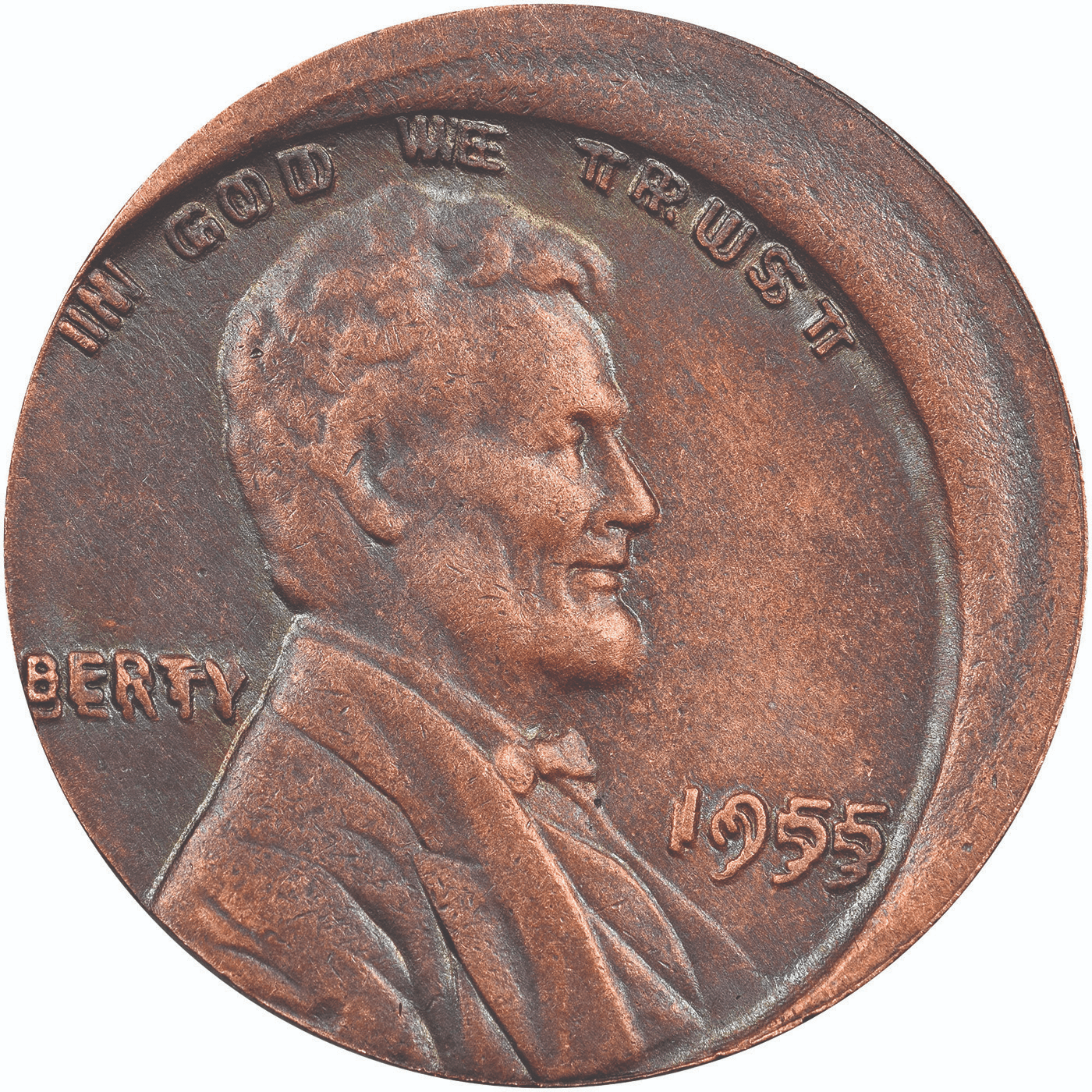
All the markers in the above replica are wrong.
If you have or inherited or plan to bid on a raw 1955 DDO, make sure to check all the markers. These are expensive coins!
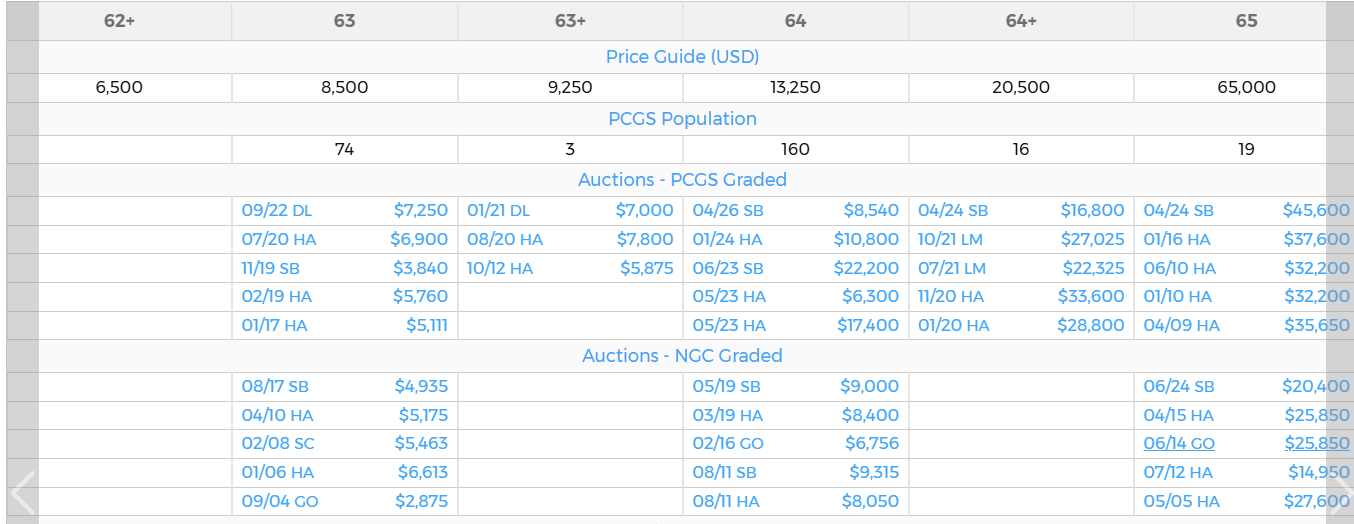
Holdering 1955 DDO cents is imperative to showcase authenticity. China exports tens of thousands of fake and replica examples. So if you have a raw example, or bought one, send to PCGS, NGC, ANACS or CAC for authentication.
If you like posts like this, subscribe so you can be informed whenever there is a new article or column.
Proxiblog also has thousands of followers on Facebook Coin Groups, YouTube and social media. To get the latest discussion and commentary, be sure to friend us by clicking here.
You can find more information about types, varieties, errors, grading, bidding and buying in Coin News Updated: The Essential Guide to Online Bidding. Please consider buying or gifting the work for a friend, as it underwrites this hobbyist blog. Thank you.
