
For the veterans looking for specific classes of doubled dies, here are nine with illustrations. While it is important to know these, beginners are discouraged from trying to learn these via memorization. They should access the three main types of doubling. That said, they might still want to see the visuals to grasp all the types of hub doubling creating varieties in coin collecting.
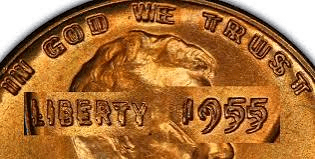
Class I: Rotated Hub Doubling
- Cause: A rotated die.
- Appearance: Dramatic uniform doubling.
- Example: 1955 DDO Cent
Class II: Distorted Hub Doubling
- Cause: A hub or die is distorted by heat during annealing.
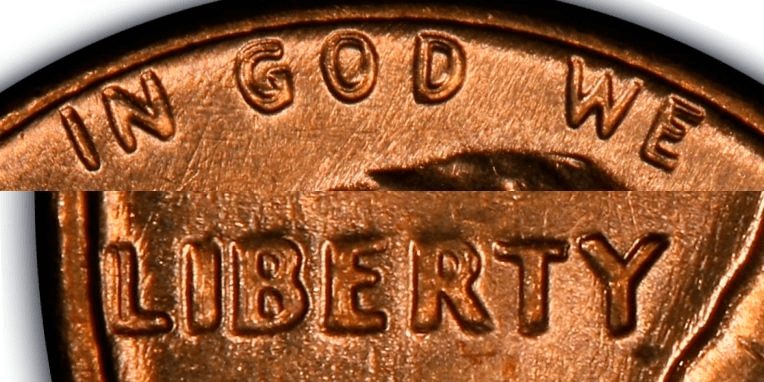
- Appearance: Irregular doubling spreading toward rim.
- Example: 1971 DDO Cent
Class III: Design Hub Doubling
- Cause: A die struck with two different master designs.
- Appearance: This type creates dramatic “overdates” or design overlaps.
- Example: 1918/7 Standing Liberty Quarter

Class IV: Offset Hub Doubling
- Cause: The die shifts in a straight line.
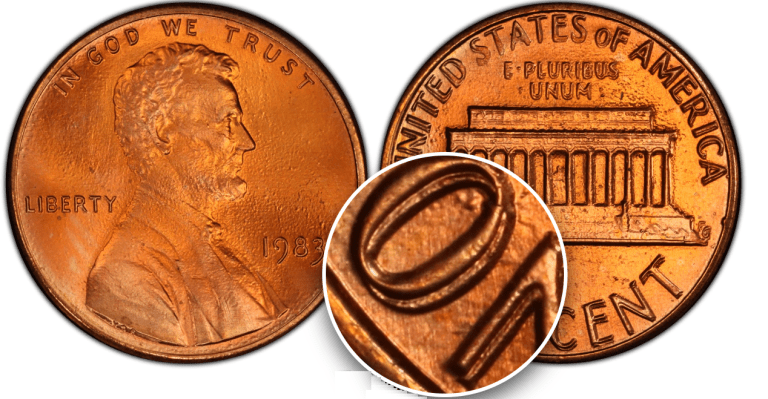
- Appearance: The doubling shifts evenly across the entire surface in one direction.
- Examples: 1983 DDR Cent
Class V: Pivoted Hub Doubling
- Cause: The die rotates between strikes, affecting the rim.
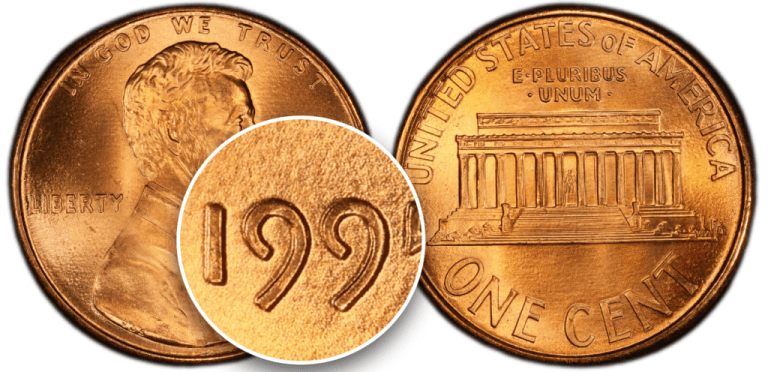
- Appearance: Clear doubling on the opposite side of the rim.
- Example: 1995 DDO Cent
Class VI: Distended Hub Doubling
- Cause: A hub defect causes devices to flatten out and widen.
- Appearance: Extreme extra thickness on letters and numbers.
- Example: 1934 DDO Quarter

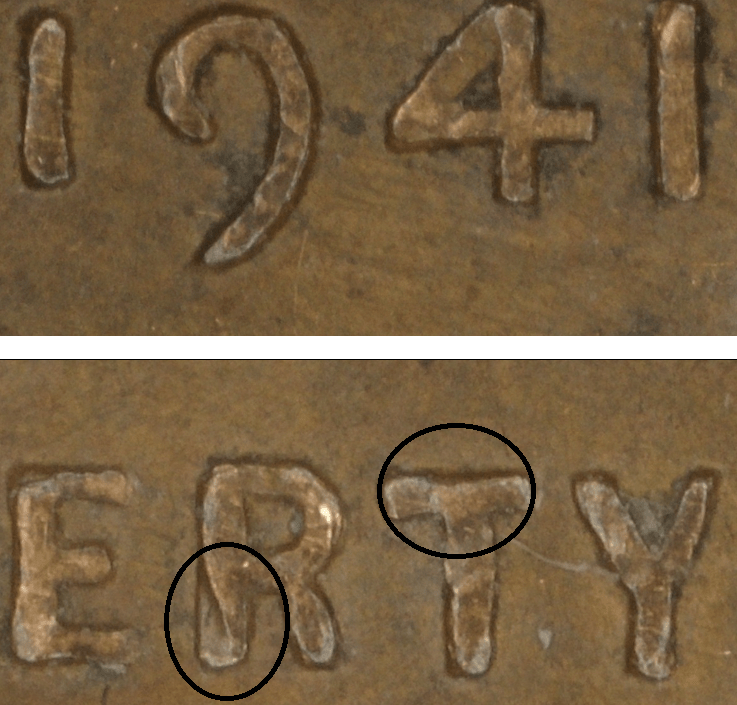
Class VII: Modified Hub Doubling
- Cause: A portion of the design is modified on the hub before striking.
- Appearance: Portions of the original, unmodified design peek out from underneath the newly altered layout.
- Example: 1941 DDO Cent
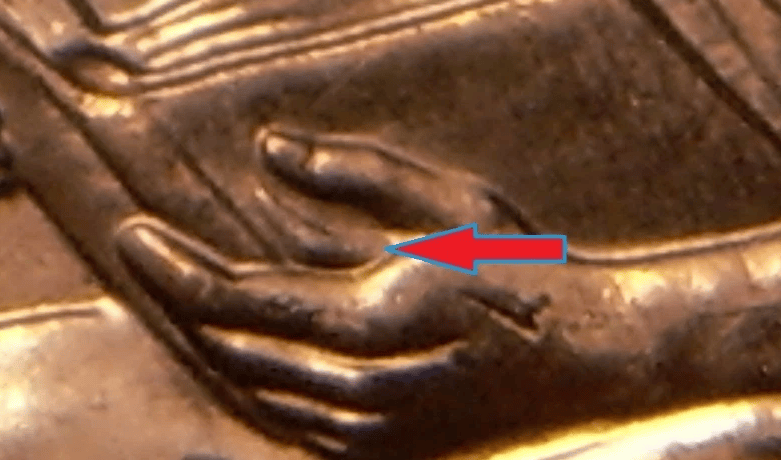
Class VIII: Tilted Hub Doubling
- Cause: Either the hub or the die is slightly tilted at an angle during striking.
- Appearance: Doubling is usually tightly contained in a centralized area of the strike.
- Example: 2009 DDR Extra Finger
Class IX: Single Squeeze
- Cause: Misaligned die
- Appearance: Doubling toward center of strike.
- Example: 2009-D 25C DDR, FS-801

Values of the above depend on rarity and condition. Check PCGS CoinFacts for particulars.
If you like posts like this, subscribe so you can be informed whenever there is a new article or column.
Proxiblog also has thousands of followers on Facebook Coin Groups, YouTube and social media. To get the latest discussion and commentary, be sure to friend us by clicking here.
You can find more information about types, varieties, errors, grading, bidding and buying in Coin News Updated: The Essential Guide to Online Bidding. Please consider buying or gifting the work for a friend, as it underwrites this hobbyist blog. Thank you.
